
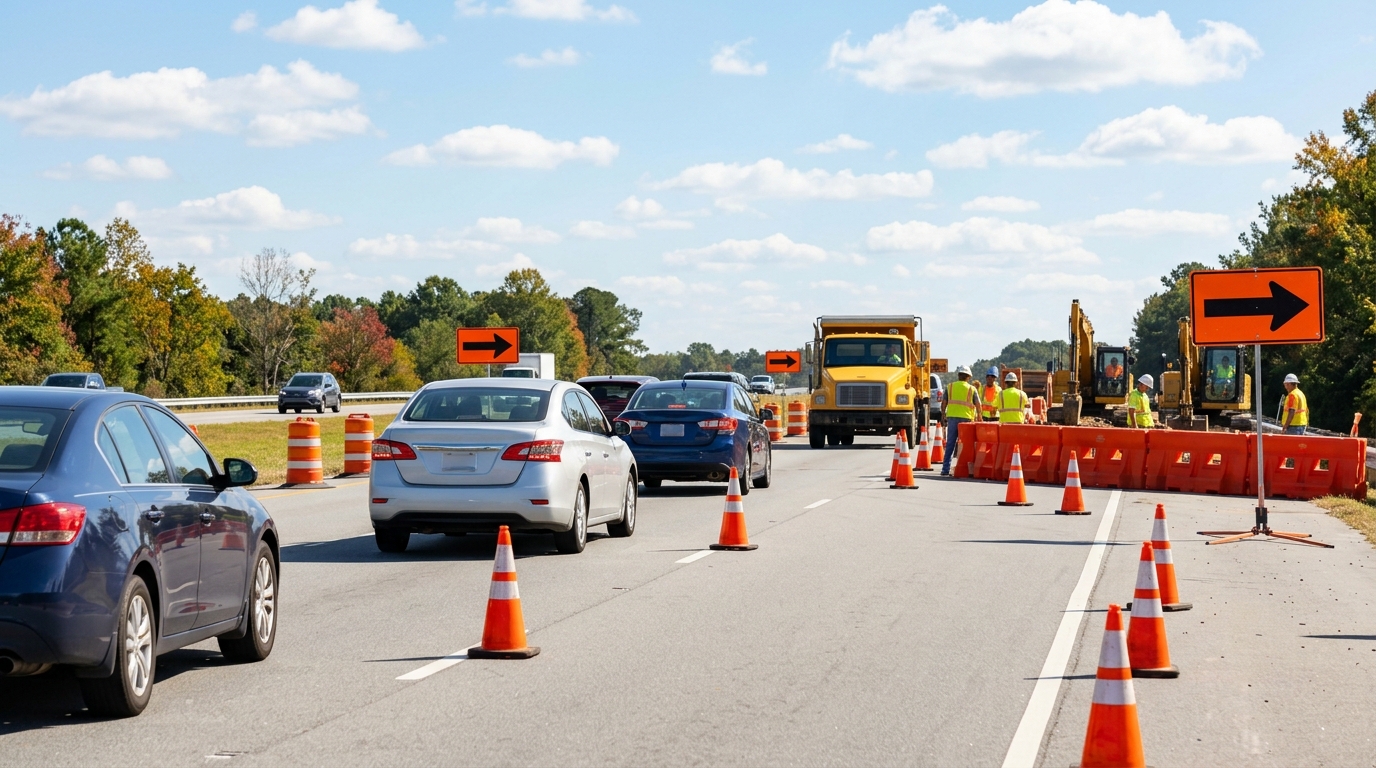
Work Zone Driving Safety: How North Carolina Drivers Can Reduce Rear-End Crash Risks
Work zones are a necessary part of keeping North Carolina roads, bridges, and utilities in good condition, but they can change familiar driving conditions in seconds. Sudden slowdowns, lane shifts, reduced shoulders, and workers near traffic all require extra attention. The safest approach is simple: slow down early, leave more room around your vehicle, and stay focused until you are completely through the area.
For drivers in and around Dunn, work-zone safety is not only about avoiding a ticket or delay. It is about helping prevent serious injuries to workers, passengers, and everyone sharing the road. Jones & Jones P.L.L.C. encourages motorists to approach every construction or maintenance zone with patience and care.
Why Work Zones Require More Attention
A work zone can look different from one day to the next—or even from one hour to the next. Road crews may be repairing pavement, trimming trees, improving drainage, maintaining utility lines, or completing larger construction projects. Temporary signs, cones, barrels, barriers, and flaggers may direct traffic in ways that do not match the usual roadway layout.
These changing conditions can create sudden stops, narrow travel lanes, shifting lanes, reduced shoulders, and unfamiliar merging patterns. The posted speed limit may also change as drivers move closer to the work area. In some locations, workers, trucks, and equipment may be operating close to moving traffic.
North Carolina road construction safety depends on drivers recognizing that the road ahead may not behave as expected. A vehicle that had been traveling steadily can brake abruptly when traffic compresses, a lane closes, or a flagger stops traffic. Giving yourself time and space to respond is essential.
Rear-End Collisions Are a Common Work-Zone Risk
Rear-end crashes can happen when drivers do not anticipate a slowdown or follow the vehicle ahead too closely. In a work zone, traffic may move quickly for a short distance and then stop with little warning. Congestion can also extend well beyond the first visible sign or set of cones.
Distraction and aggressive driving can make this risk worse. Looking at a phone, changing a navigation setting, reaching for an item, or focusing only on the car immediately ahead can take attention away from developing traffic conditions. Speeding toward a line of backed-up vehicles may leave too little time to stop safely.
A rear-end collision attorney may evaluate many details after a crash, including traffic flow, vehicle positions, visibility, road conditions, temporary traffic controls, and the actions of those involved. The circumstances of every collision are different, so it is important not to make assumptions about responsibility based on the type of crash alone.
Slow Down Before You Reach the Work Area
One of the most effective safety habits is reducing speed before entering the work zone—not after reaching the lane closure or the stopped traffic. Watch for advance warning signs and begin easing off the accelerator as soon as conditions call for it.
A calmer approach gives you more time to read signs, recognize a lane shift, respond to brake lights ahead, and make a safe lane change. It also reduces the pressure to make a last-second merge. When traffic backs up, resist the urge to speed around other vehicles or drive aggressively to get ahead. A brief delay is far better than creating a dangerous situation, potentially resulting in injuries to you, your loved ones, or others.
Give Yourself More Following Distance
Extra following distance is especially important in construction and maintenance zones. The vehicle ahead may stop quickly for a flagger, an active work vehicle, a lane closure, or a slowdown farther ahead. Leaving more space provides a better opportunity to brake gradually rather than react suddenly.
It also helps to look several vehicles ahead whenever possible. Watching the broader flow of traffic can reveal brake lights, merging activity, or an approaching stop before the driver directly in front of you reacts. This habit is particularly valuable when larger vehicles block part of your view.
Put Distractions Away and Merge Calmly
Work zones demand your full attention. Put your phone away before you enter, avoid adjusting devices while moving, and keep conversations or other distractions from pulling your focus off the road. Even a few seconds of inattention can matter when traffic patterns are changing.
When signs or flaggers direct traffic to merge, do so early and calmly. Use your turn signal, check surrounding traffic, and follow the indicated lane pattern. Trying to force a late merge or block another driver can increase tension and create unnecessary risk. Temporary signs and traffic-control devices are there to guide drivers through conditions that may not be obvious from behind the wheel.
Respect Flaggers, Signs, and Temporary Traffic Controls
Flaggers and temporary signs provide important information about where to go, when to stop, and how traffic will move through an active area. Follow their directions carefully, even when they differ from the usual roadway markings. A temporary route may be designed to separate traffic from workers, equipment, uneven pavement, or a closed section of road.
Drivers should also be prepared for reduced shoulders or limited space to move aside. Keeping an escape route in mind can be helpful if traffic slows unexpectedly. Avoid driving directly alongside another vehicle for long periods when conditions allow, and remain aware of open space ahead or beside you that could provide options if a hazard develops.
Adjust for Rain, Darkness, and Limited Visibility
Rain and darkness add another layer of risk in a work zone. Wet pavement can reduce traction and increase stopping distance, while darkness can make cones, lane markings, workers, and equipment harder to see. Glare from headlights, reflective signs, and wet roads may also affect visibility.
In these conditions, slow down even more, increase your following distance, and make sure your headlights are on when needed. Do not assume that you can stop as quickly as you could on a dry, open road. A measured pace is especially important when the roadway layout is unfamiliar.
What to Do After a Work-Zone Collision
After any collision, the immediate priority is safety and medical care. If anyone may be hurt, seek medical attention promptly and contact law enforcement. If it is safe to do so, move out of immediate danger when possible and follow the directions of responding officers or emergency personnel.
Photographs can be useful, but only take them when it is safe. Images of vehicle damage, the surrounding scene, road conditions, and temporary signs or traffic controls may help preserve details that can change quickly. Exchange insurance and contact information with the other involved drivers, and collect witness information if witnesses are willing to provide it.
Because work-zone collisions can involve changing traffic patterns and several contributing facts, case-specific legal guidance may be helpful. I can review the circumstances, explain potential next steps, and help you understand the information that may matter in your situation.
FAQ
Why do traffic crashes happen in work zones?
Work zones can involve unexpected slowdowns, lane closures, narrow lanes, reduced shoulders, temporary speed limits, and unfamiliar traffic patterns. Distraction, following too closely, and aggressive driving can make it harder for drivers to respond safely.
How can I avoid a rear-end crash in a work zone?
Slow down before entering the work area, increase your following distance, and watch traffic several vehicles ahead. Keep your phone and other distractions out of reach so you can respond promptly to changing conditions.
Should I merge as soon as a sign tells me to do so?
When signs or flaggers direct a merge, begin planning early and merge calmly when it is safe. Use your signal, check nearby traffic, and avoid sudden or aggressive maneuvers.
What should I document after a crash near road construction?
When it is safe, photographs of the scene, vehicle damage, road conditions, and temporary traffic controls can help preserve useful details. It can also be helpful to keep insurance information, witness contact details, and any paperwork provided by law enforcement.
When should I speak with a lawyer after a work-zone collision?
If you have questions about an injury, insurance claim, or the circumstances of a collision, speaking with a Dunn, North Carolina attorney can help you understand your options. Jones & Jones P.L.L.C. provides attentive legal representation for people navigating personal injury matters in Dunn and surrounding communities. To discuss your situation, contact Jones & Jones P.L.L.C. at (910) 892-2184.